DC | Día de los Muertos (Day of the Dead)
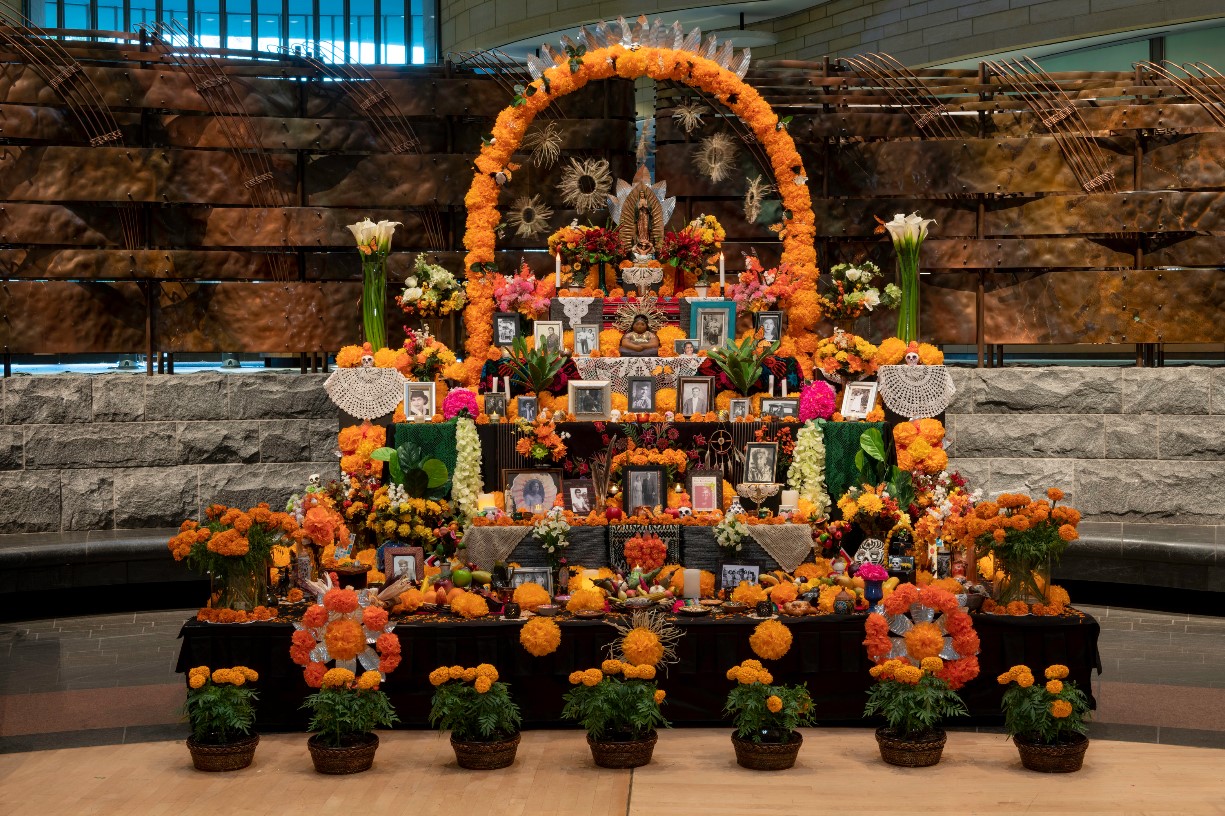
Día de los Muertos (Day of the Dead) is a time for commemorating our ancestors. Rather than a period of mourning, it is an occasion for celebrating with family-both living and dead-and honoring the cycle of life. Enjoy family-friendly activities throughout the day, including dance performances by Grupo los Tecuanes, making paper marigolds to be placed on a Catrina statue, and making papel picado (perforated paper decorations) with David Amorozo. Learn how pan de muerto (bread of the dead) is made with Neil Vargas, Jr. Learn about La Catrina and her joyful view of life and mortality by interacting with live Catrinas roaming the festival. Visitors are invited to leave photos and mementos of their loved ones on the ofrenda (altar) or commemorate them by writing their names on a butterfly to attach to the memorial arch. SCHEDULE OF EVENTS LEVEL 3: imagiNATIONS Activity Center 10:30 AM | Story Time Families are invited to an interactive story time featuring the book Día de los Muertos by Roseanne Greenfield Thong. They will have the opportunity to engage with objects from the museum's Teaching Collection such as photographs, textiles, or natural materials to deepen their understanding of Día de los Muertos . Tickets may be needed to enter the imagiNATIONS Activity Center and Story Room. Please see staff at the Level 3 entrance desk for assistance. *Recommended for children ages 3-9 and their caregivers. 11 AM-1 PM, 2-4 PM | Hands On: La Catrina Creations! Celebrate the vibrant artistry of Día de los Muertos by decorating a plaster skull from a variety of La Catrina and Calavera (sugar skull) designs. Using paint markers, participants will create a unique keepsake to take home. LEVEL 1: Potomac Atrium 11 AM, 1 PM, 2:30 PM, and 4 PM | Dance Performances by Grupo los Tecuanes The name of the Danza de los Tecuanes (Dance of the Jaguar) is rooted in the Mixtec understanding of the duality of life and death and the fight of good against evil. The Danza de los Viejitos (Dance of the Old Men) is a humorous dance featuring dancers colorfully dressed as old men. The Flor de Piña (Pineapple Flower) is a folk dance from Oaxaca that features women dancing with pineapples balanced on their right shoulders throughout the routine. Each performance will offer bilingual narration. 11 AM-4 PM | Ongoing Activities Hands On: Paper Marigolds Marigolds, or cempasúchitl , serve a special purpose during Día de los Muertos celebrations. Their petals are used to create a path between the cemetery and the family home. Make your own tissue-paper marigold to take home or create a garland to adorn a nine-foot-tall La Catrina , the iconic skeleton fashionista that has become a symbol of Día de los Muertos. Demonstrations: Papel Picado with David Amorozo Papel picado is the Indigenous art form of hand-cut and die-cut paper banners that dates back to pre-Hispanic Mexico. The banners were originally made from a type of bark paper called amate . Today, papel picado is made by cutting tissue paper into intricate designs for Día de los Muertos and other celebrations throughout the year. Learn how it's made with demonstrations by artist David Amorozo. Demonstrations: Pan de muerto with Neil Vargas, Jr. Learn how pan de muerto (bread of the dead) is made with Neil Vargas, Jr., This round bread is traditionally eaten during Día de los Muertos , at a loved one's gravesite or by the ofrenda. The bread is usually a soft, sweet, round bun often spiced with anise seeds, orange zest or orange flower water. Live: La Catrina La Catrina , the iconic skeleton fashionista that has become a symbol of Día de los Muertos shares a joyful view of life and mortality. Interact with live Catrinas throughout the day as they roam the festival. Butterfly Memorial Arch Select a butterfly of your choice, write a loved one's name or a short message, and attach the butterfly to the memorial arch. Museum Ofrenda This temporary display honors those who have passed on with photographs or personal effects of the deceased accompanied by flowers, candles, religious icons, water, salt, and an array of food and drink.