Behind the Science with Research Anthropologist and Curator of Human-Environment Interactions Dr. Torben Rick
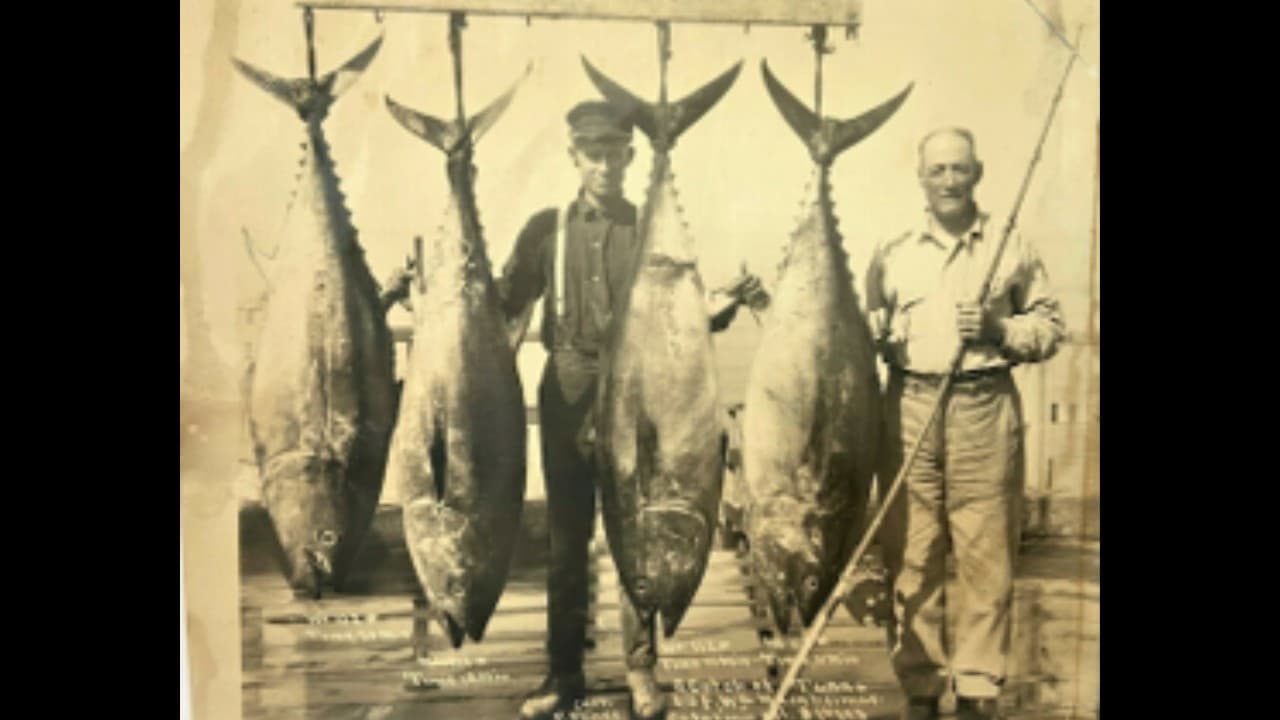
"The Fascinating Origins of Tuna and Billfish Fisheries" Tuna and billfish are among the world's most important large ocean predators and an important global food source. Millions of tons are caught every year. Despite significant declines in their populations, we know relatively little about tuna and billfish harvest prior to 20 th century industrial exploitation. Smithsonian scientists are conducting archaeological, historical, and ecological research to understand the deep history of the fishery and help plan for the future sustainability of these critical fish. This month, go behind the science with Research Anthropologist and Curator of Human-Environment Interactions Dr. Torben Rick who is exploring this untold history through archaeology and the restudying archaeological and historical tuna and billfishes in museum collections and in the field. Bonus: find out how Dr. Torben Rick's research connects the December Behind the Science expert, Dr. Katherine Bemis. Registration is encouraged. Space is filled on a first come first served basis. Image caption : Tuna captured by sportfisherman in 1923 when people were gaining interest in these critical ocean fishes Image credit : Public domain due to age of photo. ---------------- About the Series: Behind the Science A monthly after-hours series featuring NMNH scientists and researchers Each month, join the National Museum of Natural History for the new series, Behind the Science , where NMNH researchers share insights into their latest discoveries and explore the fascinating questions driving their work-from the origins of life to the future of our planet. Come learn what's happening behind the scenes and how science shapes our understanding of the natural world. Programs take place in Q?rius, the Coralyn W. Whitney Science Education Center.